
Middle School
Grades 6-8
8:00 AM - 3:15 PM
Mead’s middle school offers a safe and encouraging space for adolescents to discover and cultivate their passions through interactive, hands-on learning. As they learn to balance freedom with responsibility, students grow in independence and confidence. Through inclusive community involvement, student-led conflict resolution, restorative practices, and deep exploration of physical and creative expression, they develop both personally and socially.
Complete Our Middle School Application
Curriculum Details
Micro-economy & Practical Life
Students explore the history of human economies and the fundamental principles of entrepreneurship through hands-on experiences in product development, marketing, budgeting, and profit-and-loss analysis. As they design products, manage resources, and engage with customers, they develop practical business skills, financial literacy, and strategic thinking. These experiences foster creativity, problem-solving, and an appreciation for the relationship between innovation, effort, and economic success.
Creative & Performing Arts
Students engage in a variety of creative and performing arts experiences, including art exhibitions, theater productions, and music performances.
Through these opportunities, they develop artistic expression, public speaking skills, and the ability to collaborate effectively with others. Participation in the arts fosters confidence, self-expression, and an appreciation for creativity while helping students become comfortable sharing their talents and ideas with an audience.
Community Engagement
Students engage in local projects, community partnerships, and service initiatives that foster leadership, collaboration, and civic responsibility while strengthening their connection to the broader community.
Environmental Stewardship
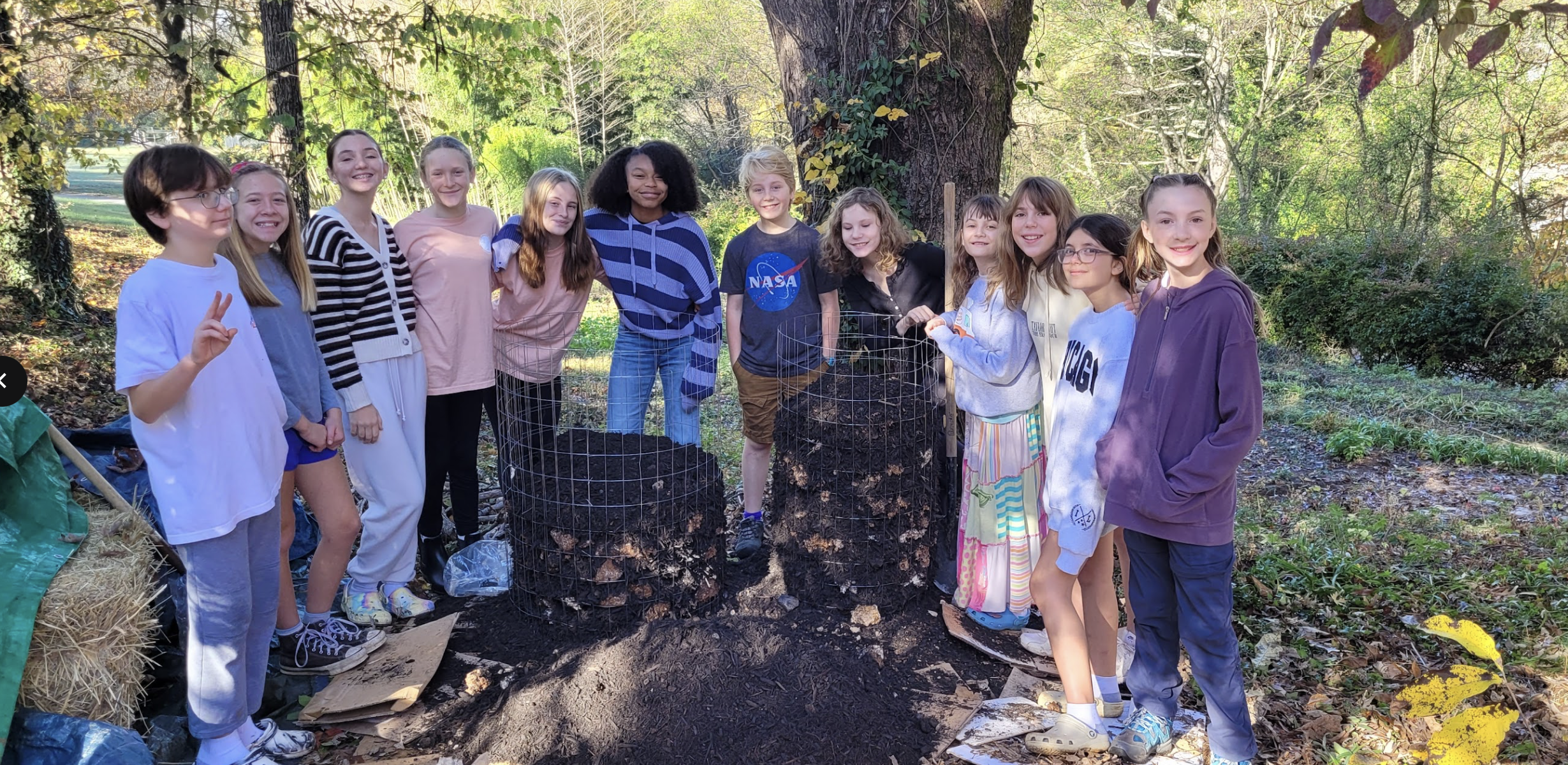
Students explore environmental science and sustainability through hands-on projects around our campus, conservation efforts, and participation in local environmental initiatives. Through research, inquiry, and action, they develop an understanding of environmental issues and cultivate a lifelong commitment to stewardship, sustainability, and responsible citizenship.
Language Arts
Students develop strong reading, writing, and critical thinking skills through the study of a wide range of literary works and writing styles. Areas of focus include literary analysis and the exploration of literary devices such as allusion, analogy, foreshadowing, hyperbole, imagery, irony, metaphor, symbolism, and tone.
Students engage with a diverse range of literary genres, including poetry, novels, short stories, historical fiction, mythology, folklore, biography, drama, and graphic novels. Writing instruction encompasses a variety of styles, such as expository, analytical, persuasive, and descriptive writing.
Students develop the ability to craft clear thesis statements, support their ideas with textual evidence, properly cite sources, and strengthen their writing through editing and proofreading. Emphasis is placed on close reading, critical analysis, creative thinking, and effective written communication.
Mathematics
Students engage in a comprehensive study of arithmetic, algebra, geometry, probability, and data analysis. Through a combination of individual work, collaborative problem-solving, and project-based learning, they develop strong mathematical reasoning skills and learn to apply mathematical concepts both in the classroom and in real-world contexts.
Students build a strong mathematical foundation that prepares them for Algebra I and introductory Geometry concepts. Many graduates demonstrate proficiency at a level that allows them to earn high school credit for Algebra I upon entering high school.
Coursework includes operations with integers, roots, exponents, and scientific notation, as well as the development of algebraic reasoning and problem-solving skills. Students also learn to analyze, interpret, and present data effectively, strengthening their analytical thinking and ability to make informed, evidence-based decisions.
Students develop strong problem-solving skills that foster logical reasoning, critical thinking, and adaptability, preparing them to meet future academic challenges in mathematics and across disciplines.
Humanities
Students engage in an in-depth study of ancient civilizations, United States history, current events, and influential individuals who have shaped society.
Through research, analysis, and synthesis of information, students develop critical thinking skills and learn to communicate their understanding through writing, presentations, and thoughtful debate.
Students develop the ability to consider multiple perspectives and cultivate empathy for people across different cultures, time periods, and lived experiences. Through the study of history and human societies, they gain an understanding of how ideas, innovations, and cultural developments have shaped the world and continue to influence society today.
Students develop strong critical thinking and analytical skills through the exploration of historical events, ideas, and perspectives. They cultivate a genuine curiosity about history and a deeper understanding of the human experience across cultures and time periods.
Sciences
Students explore a broad range of scientific disciplines, including physics, chemistry, botany, and zoology. Through hands-on investigations and inquiry-based learning, they develop a strong understanding of the scientific method and its application to the study of the natural world.
Students develop the skills necessary to perform accurate calculations, collect and record data, and analyze results. Through hands-on investigations, they learn to design and conduct valid scientific experiments, drawing evidence-based conclusions from their findings.
Students also strengthen their research and information synthesis skills, communicating their understanding through written reports, presentations, and collaborative discussions.
Physical Expression
Students are introduced to a wide range of physical activities. A sampling of these activities includes: stand-up paddleboard (SUP) yoga, volleyball, badminton, bowling, golf, soccer, and basketball. Through exposure to diverse forms of movement and recreation, students develop physical skills, confidence, and an appreciation for active living and overall wellness.
Students engage in activities that promote stress management and personal well-being while developing curiosity, confidence, and enthusiasm for exploring new physical pursuits.
Students strengthen their ability to collaborate, support others, and contribute positively to their community, developing the skills needed to be thoughtful team members and engaged citizens.
Creative Expression
Students explore a variety of artistic and practical arts disciplines, including printmaking, painting, drawing, ceramics, jewelry making, leatherworking, and woodworking.
Students cultivate a lifelong connection to creative expression as a source of well-being and self-discovery while developing an appreciation for the arts, beauty, and aesthetics.
Students engage in the design process as a pathway for creativity, problem-solving, and self-expression. Through planning, creating, refining, and evaluating their work, they develop the capacity to produce original, high-quality creations that reflect both skill and imagination.
High School Readiness
Mead prepares students for success in high school and beyond. Through a thoughtful balance of academic rigor, personal responsibility, and guided independence, students develop the time management, organization, and self-motivation skills needed to thrive in a variety of educational settings.
More importantly, they leave Mead as adaptable, confident learners—prepared not only for the next chapter, but for a lifetime of growth, learning, and opportunity.
Emotional Regulation & Growth
Adolescence is a time of significant growth and transformation. To support students during this important stage of development, we help them cultivate mindfulness, self-reflection, and stress-management skills.
By practicing active listening, self-reflection, and emotional regulation, students develop compassion, self awareness, resilience, and the ability to navigate challenges while positively impacting those around them.
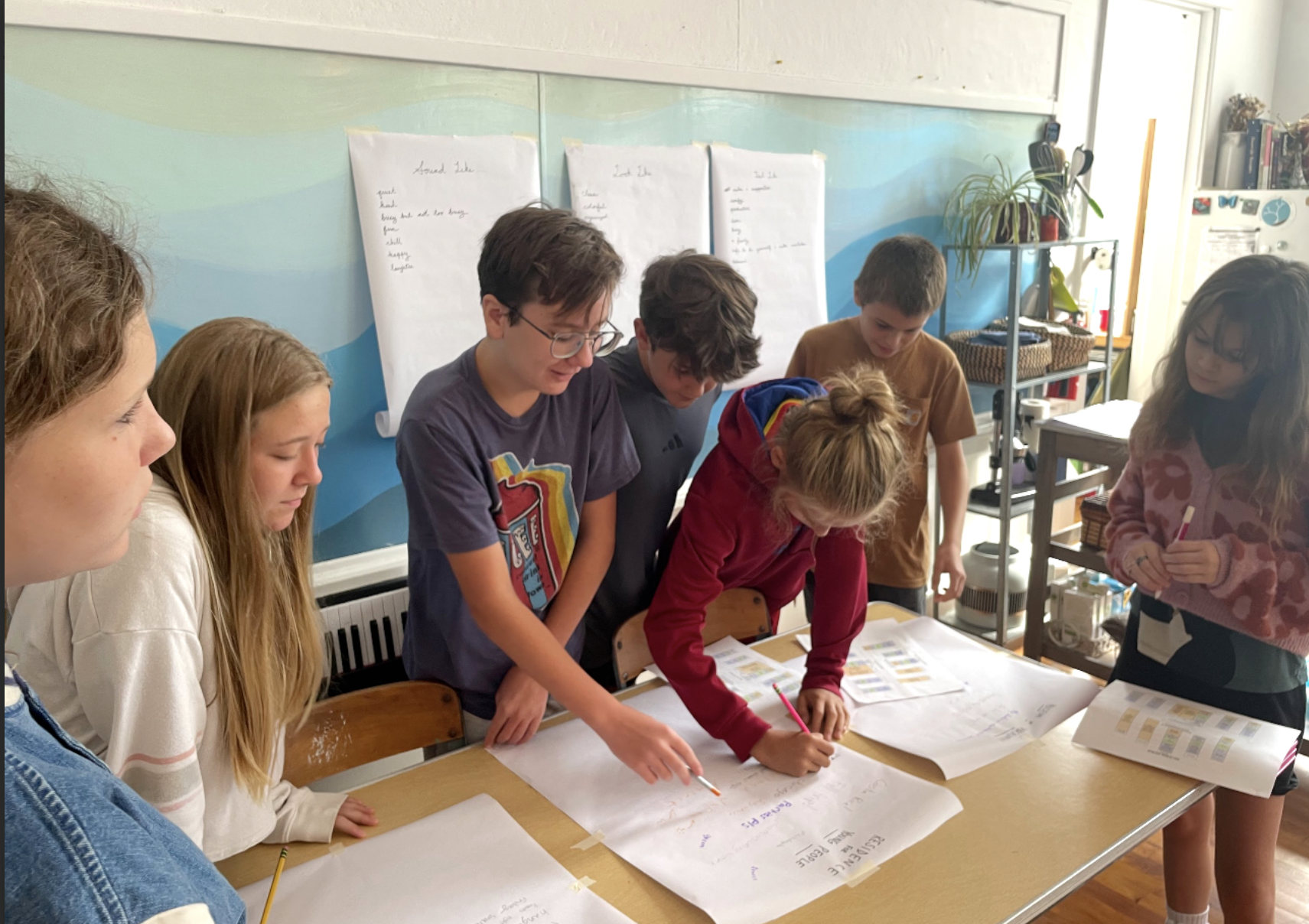
Our academic program is grounded in project-based learning and personalized inquiry, emphasizing essential skills and foundational concepts in mathematics, English language arts, science, history, and Spanish. Instruction is thoughtfully designed to cultivate critical and creative thinking while strengthening students’ abilities as communicators and collaborators.
Middle school instruction is structured in six-week cycles. Mornings are dedicated to building essential skills in English Language Arts, Mathematics, STEM, and Spanish, while afternoons provide opportunities to apply and deepen understanding through inquiry-based, project-centered learning.
Through interdisciplinary, project-based studies in language arts, science, and history, students develop critical thinking skills, refine their research and writing abilities, and learn to work collaboratively. They also take part in diverse group projects that foster creativity while introducing concepts of economic independence. At the end of a cycle of study, students participate in presentations to their peers, sharing their individual research related to the unit of study. Presentations give students an opportunity to consistently hone their public speaking skills and allow peer review and collaborative learning.
We foster a welcoming and supportive environment where adolescents can navigate the challenges and growth of early adolescence. Each student is guided by our dedicated team of middle school Guides, helping them become capable and valued members of the community. Along the way, they explore new opportunities, learn from mistakes, and discover a deeper understanding of who they are.
Beyond our Campus
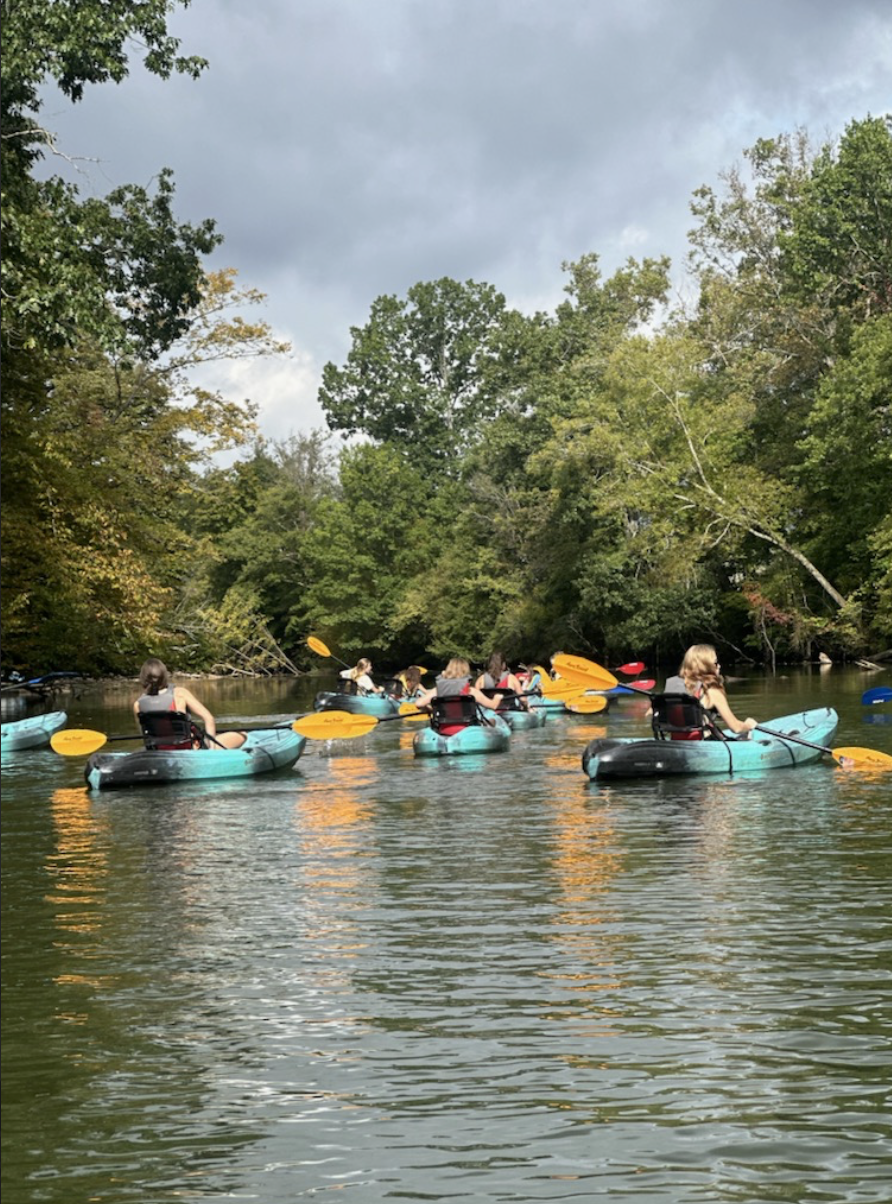
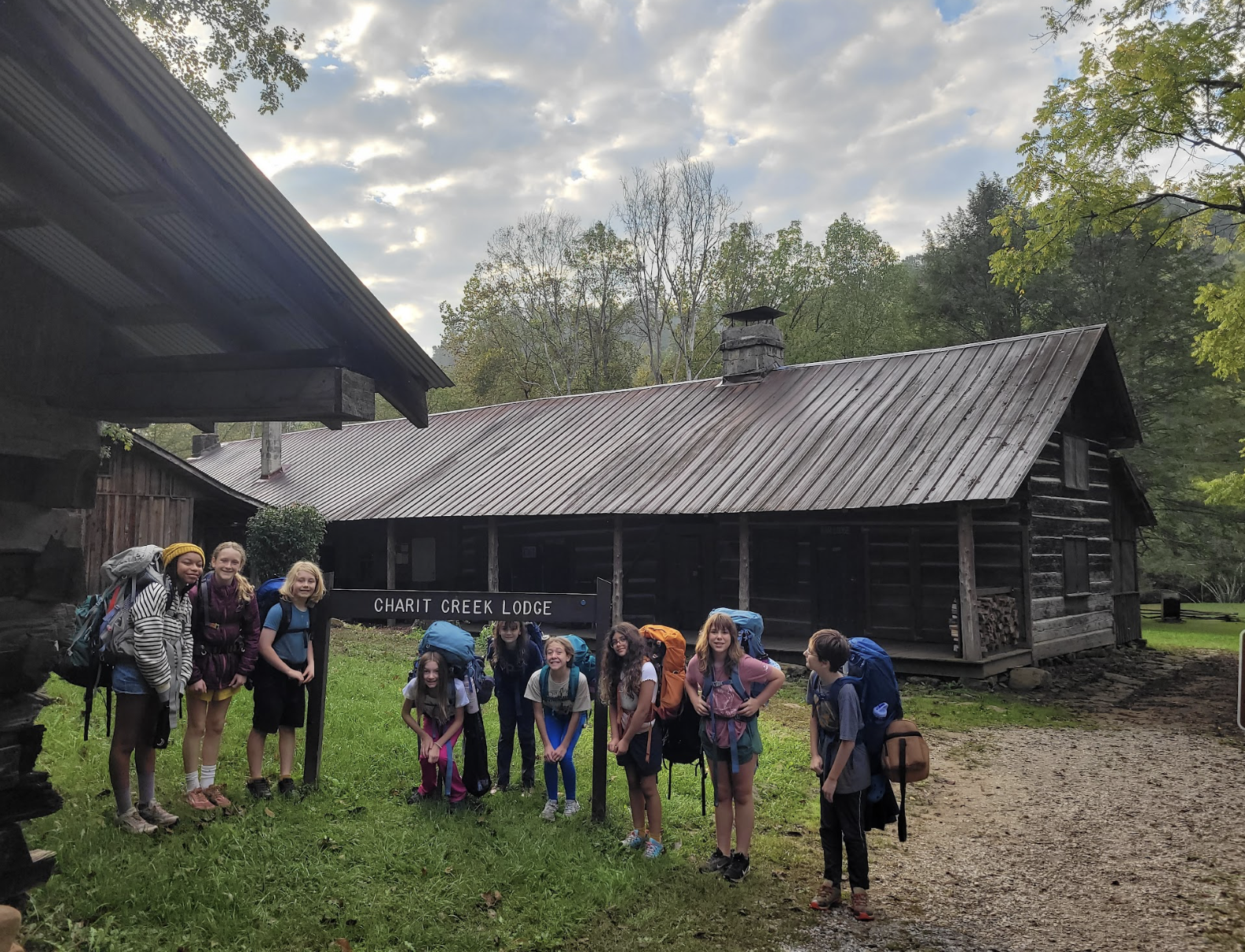
We take a pedagogy of place approach to learning and constantly create new opportunities for our adolescents to engage outside the classroom.
Friends of Our Community:
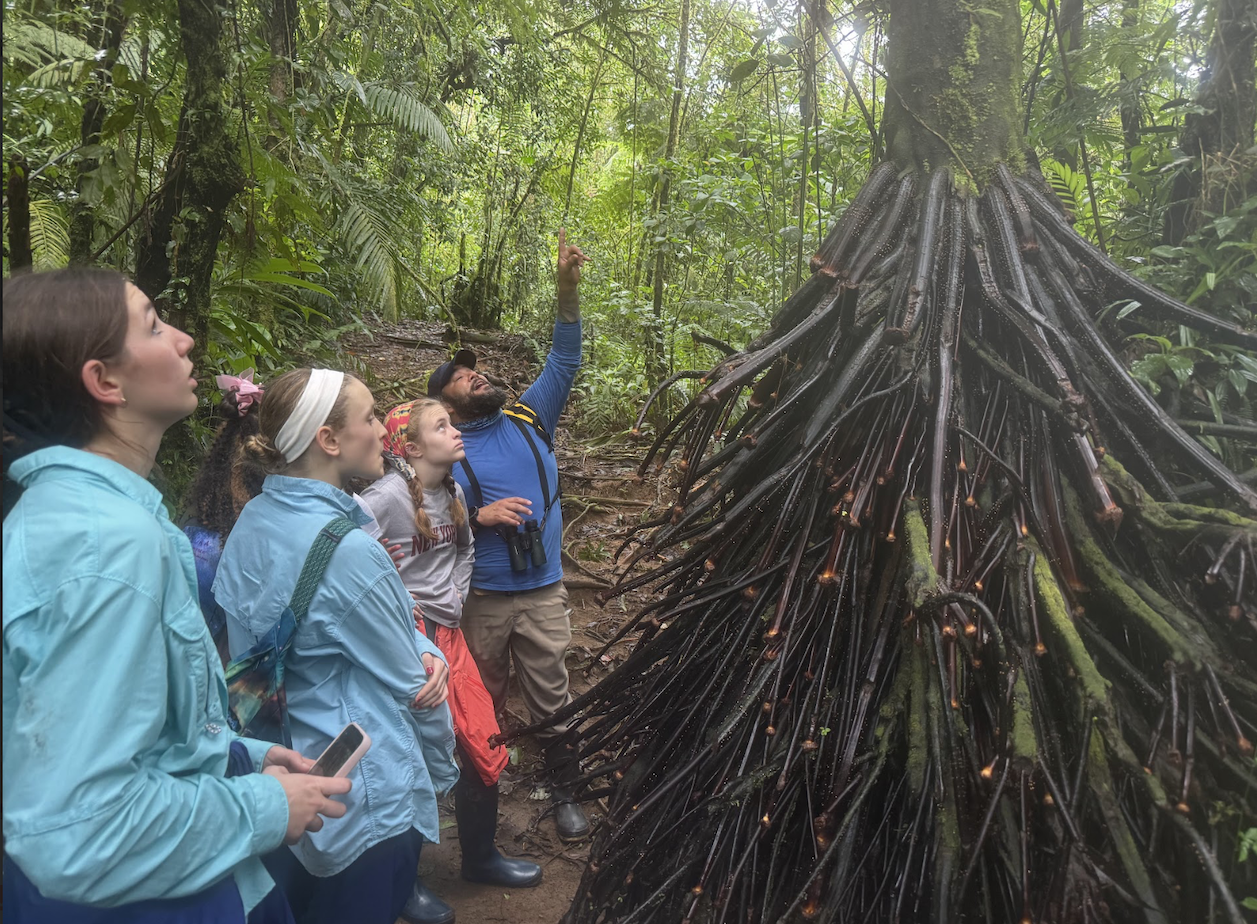
Children’s Eternal Rainforest
Each year our 7th and 8th graders travel to Costa Rica’s Children’s Eternal Rainforest to study biodiversity and peace. We began this trip in February of 2020 to give our students the opportunity to use the culmination of their Montessori experience in the ultimate classroom, the dynamic rainforest of Costa Rica. During this trip our students participate in data collecting, supporting scientists and ecologists in their effort to survey and protect this incredibly diverse ecosystem.
Students also explore themes related to peace and how peace relates to biodiversity. The Children’s Eternal Rainforest (CER) is the largest privately owned track of rainforest in Costa Rica and exists because of the fundraising efforts of children all over the world. CER is managed by the Monteverde Conservation League. Visit their website to learn more or make a donation to aid in the preservation of this important landscape.